Planning · 6 min read
What a Wedding Day Timeline Really Looks Like
The eight-hour day hour by hour, and the three places couples consistently under-budget time.
August 24, 2026
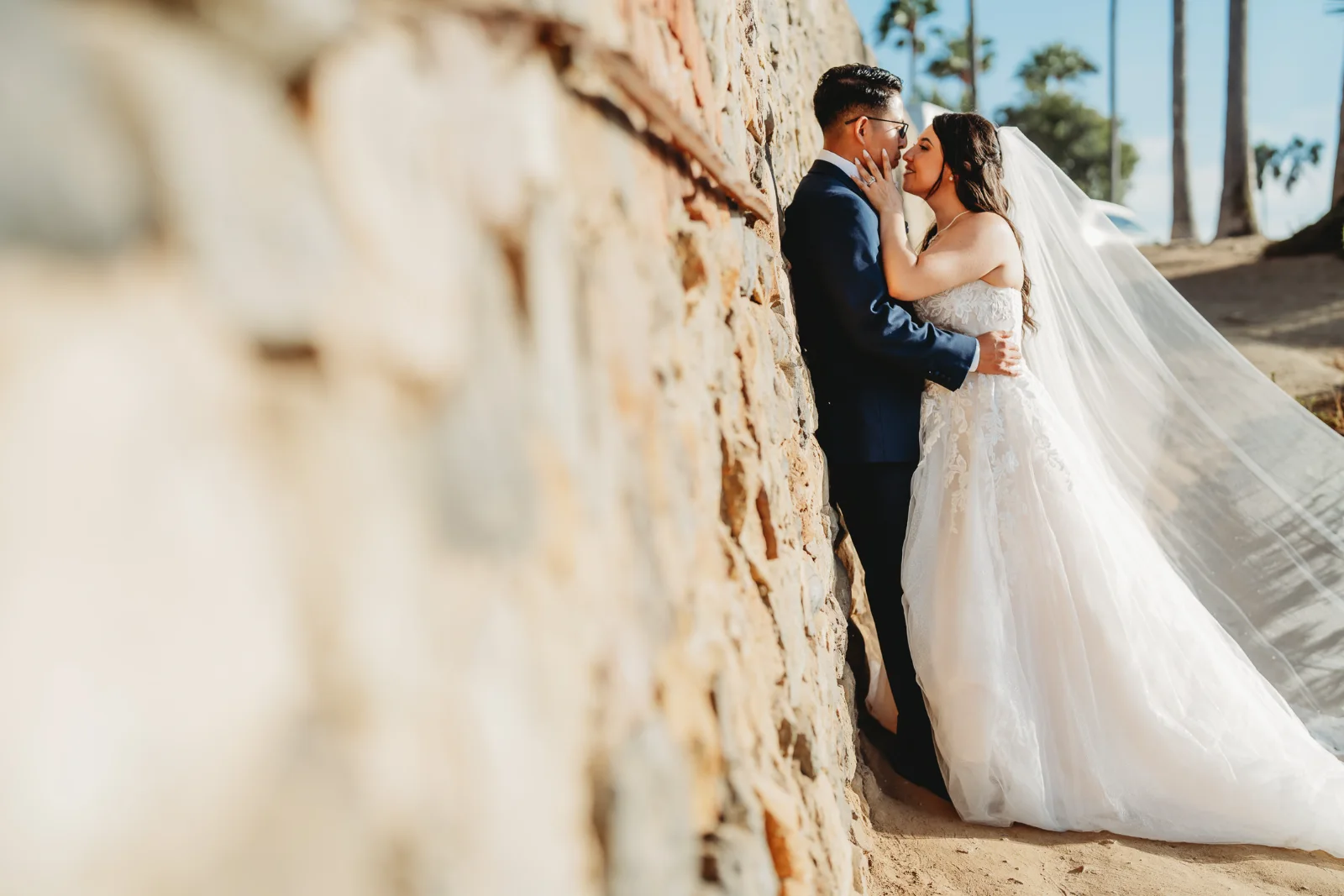
After a thousand weddings, the days that run smoothly all have one thing in common: somebody built the timeline backwards from sunset instead of forwards from breakfast.
Here is how an eight-hour day usually works, and where it usually goes wrong.
The eight-hour shape
Two hours before the ceremony. Getting ready. This is quieter than people expect and it produces some of the best frames of the day, because nobody is performing yet.
One hour before. Details, dress, the room, the rings. If you want photographs of your invitation suite or your shoes, this is when it happens, and it needs the items in one place rather than scattered across three rooms.
Ceremony. Usually 20 to 40 minutes.
Immediately after. Family photographs. Budget more than you think — see below.
Golden hour. The half hour before sunset. Protect it.
Reception. Entrances, speeches, first dance, the party.
The three places time disappears
Family photographs
Everyone underestimates this. Ten grouped combinations take about twenty minutes if — and only if — someone is naming people out loud and rounding them up.
Without that, it takes forty-five, and it takes them out of cocktail hour.
The fix costs nothing: give us a list beforehand, and nominate one loud relative from each side to find people.
Getting into the dress
Somehow always twenty minutes longer than planned. Buttons, in particular, are the enemy of a timeline.
The gap between ceremony and reception
Not because it is short, but because it is where every other thing that slipped gets absorbed. If your timeline has no slack anywhere else, it all lands here — and that is the hour your portraits were supposed to happen in.
Build backwards from sunset
This is the single most useful thing on this page.
Find your sunset time. Put thirty minutes of couple portraits immediately before it. Then work backwards to place your ceremony.
In San Diego that usually means a ceremony between 4pm and 5:30pm depending on the season. A noon ceremony means your portraits happen in the harshest light of the day, and no amount of skill fully fixes overhead sun.
If you change one thing after reading this, change your ceremony time to sit two to three hours before sunset.
On first looks
You do not have to do one. Plenty of couples do not and never regret it.
But a first look buys you roughly an hour, and that hour comes out of the compressed post-ceremony block where everything else is already competing. If your timeline is tight, it is the easiest hour to find.
What we do with your timeline
Send us a draft and we will mark it up — where it is tight, where the light will be, and what we would move. We do this before every wedding and it is included, not an extra.
It is also the fastest way to find out whether the coverage you are considering is actually enough.
Keep reading